
Should You Turn Your Holiday Rental Into a Retreat Venue?
Many holiday rental owners are exploring retreats to increase shoulder season revenue. Learn what makes a successful retreat venue, common mistakes to avoid, and how to test the concept before investing.
RETREAT VENUESRETREAT VENUERETREAT STRATEGYRETREAT BUSINESSLUXURY RETREAT VENUEWELLNESS HOSPITALITYRETREAT PLANNINGRETREAT HOSTBOUTIQUE HOTELHOSPITALITY STRATEGYRETREAT CONSULTANCYVENUE MANAGEMENTWELLNESS TOURISMLUXURY HOLIDAY RENTAL
Manon Hill
6/8/20264 min read
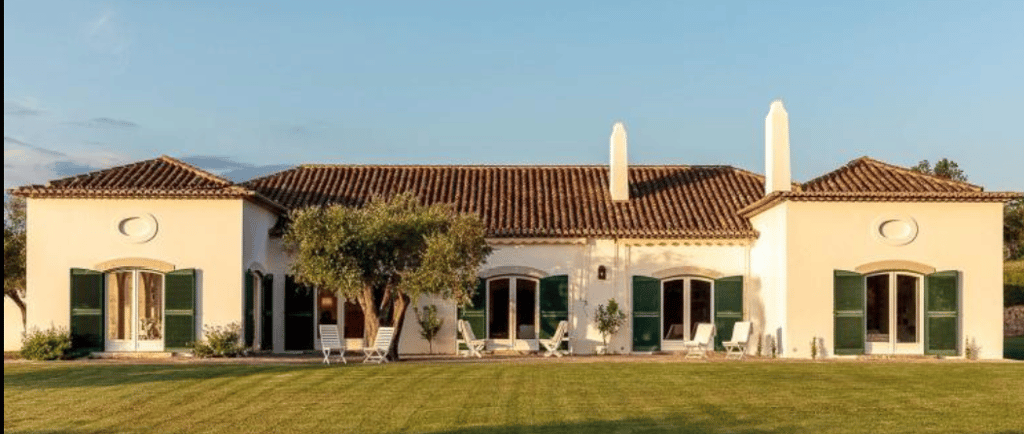
Should You Turn Your Holiday Rental Into a Retreat Venue?
One conversation I seem to be having more and more often is with venue owners who are considering opening their holiday rental to retreats.
The situation is usually similar.
Their property performs well during the peak summer season, but occupancy drops significantly during the shoulder months. They're looking for ways to create additional revenue without constantly competing on price or relying on last-minute bookings.
Retreats can be an excellent solution.
In fact, for the right property, hosting retreats can sometimes generate higher revenue than simply renting the venue by the night. Retreat hosts often book the entire property, stay for several days, and return year after year if the experience is positive.
But there is something many venue owners don't realise before they begin. A retreat venue is not simply a holiday rental that accepts groups. It is a different business model.
Why More Venue Owners Are Exploring Retreats
The wellness and retreat market continues to grow, and many retreat leaders are actively searching for unique venues that offer something beyond a standard hotel experience.
Retreats can help venues:
Generate income during quieter months
Attract a different type of guest
Encourage longer stays
Build relationships with returning retreat hosts
Diversify revenue streams
For many properties, especially those in beautiful natural locations, retreats can be a natural extension of what they already offer. However, success requires more than simply listing your venue as "retreat-friendly."
What Many Venue Owners Underestimate
One of the biggest misconceptions is that retreat hosting is passive income.
In reality, supporting retreats often requires significantly more involvement than standard holiday bookings. Retreat hosts typically need guidance and support before, during, and after their retreat.
Questions often arise around:
Accommodation layouts
Group flow
Catering options
Transfers and logistics
Local activities
Massage therapists and wellness practitioners
Equipment requirements
Timelines and planning
To attract retreat hosts consistently, it's important to make the process feel easy and well-supported.
This often means having clear information available, building relationships with local service providers, and creating systems that allow hosts to focus on delivering their retreat rather than solving logistical challenges.
Do You Need a Yoga Shala?
Not necessarily.
One of the biggest myths in the retreat industry is that every retreat venue needs a purpose-built yoga shala. While dedicated practice spaces can be wonderful, they are not always essential.
Many successful retreats take place in venues that have:
Covered outdoor spaces
Large living areas
Gardens
Barns
Terraces
Flexible indoor gathering space
It's also worth remembering that not every retreat is a yoga retreat.
Depending on your property and location, you may be perfectly suited to:
Creative retreats
Writing retreats
Art retreats
Nature immersion retreats
Foraging retreats
Cooking retreats
Leadership retreats
The key question is not "Do I have a yoga shala?"
The key question is: What type of retreat would naturally fit this space?
Is Your Property Suitable for Groups?
Before investing heavily in retreat marketing, take time to consider the guest experience.
Ask yourself:
Can groups move comfortably through the space?
Is there enough accommodation?
Is there somewhere for the retreat host to stay?
Are communal areas large enough?
Does the property flow naturally for group activities?
Is there enough privacy?
Can meals be served easily?
I once spoke with a venue owner who was excited about hosting retreats, but after reviewing the logistics, realised there was no suitable accommodation for the retreat leader. It was a small detail that hadn't been considered but completely changed the viability of the concept.
Often, it is these practical considerations that determine whether a venue works well for retreats.
The Best Way to Test the Concept
Before investing in new facilities, creating elaborate marketing materials, or redesigning your property, I usually recommend testing the concept first.
Some of the most successful retreat venues I have worked with started by:
Hosting their own small retreat
Partnering with a local facilitator
Inviting a trusted retreat leader to trial the venue
This allows you to experience the retreat from the inside.
You'll quickly discover:
What works well
Where the flow breaks down
What hosts need
What guests need
Which improvements would make the biggest difference
The insights gained from a single trial retreat are often worth far more than months of planning.
Final Thoughts
Retreats can be a fantastic way to create additional income during quieter seasons and bring new life to a property.
However, being a successful retreat venue is about far more than renting out rooms. It requires understanding the needs of retreat hosts, creating supportive systems, building local partnerships, and designing an experience that allows both hosts and guests to feel well cared for.
Before investing in facilities, take time to understand the retreat experience itself and consider whether the additional time, energy and involvement required is something you genuinely want to offer. The most successful retreat venues are often those where the owners enjoy supporting groups and creating memorable experiences.
In my work with retreat venues, I often find that putting the right foundations in place early can save significant time, money and frustration later on. Clear positioning, practical systems and a thoughtful host journey will usually have a far greater impact than rushing into expensive upgrades.
If you're considering opening your venue to retreats, start by testing the concept, learning from the experience, and building from there.
Many venue owners appreciate having guidance as they make the transition from luxury holiday rental to retreat venue. Through my consultancy, I help venue owners create the foundations, systems and guest experience needed to support retreats with confidence—often saving significant time, money and frustration along the way.
If you're exploring whether retreats could be a good fit for your property, I'd love to hear more about your venue. Read more about my services here or book a complimentary discovery call.
Contact
Let's chat about your retreat goals today. Book your free discovery call here
info@retreatconsultancy.com
© 2025. All rights reserved.